On many Baltic routes the ship is not just transport — it is where you sleep. This page explains overnight ferry history in the region, how car ferries changed passenger travel, and how tickets moved from harbour offices to smartphones.
The origins of overnight ferry travel
Distance made overnight travel inevitable. A steamship from Stockholm to Helsinki or from Lübeck to the Gulf of Finland could not complete its journey in daylight, and early passenger ships therefore carried berths for at least some travellers. Overnight sailings also fitted business needs: a traveller could board in the evening and arrive in another capital the next morning, which is why an overnight ferry from Sweden or overnight ferry from Finland remains popular.
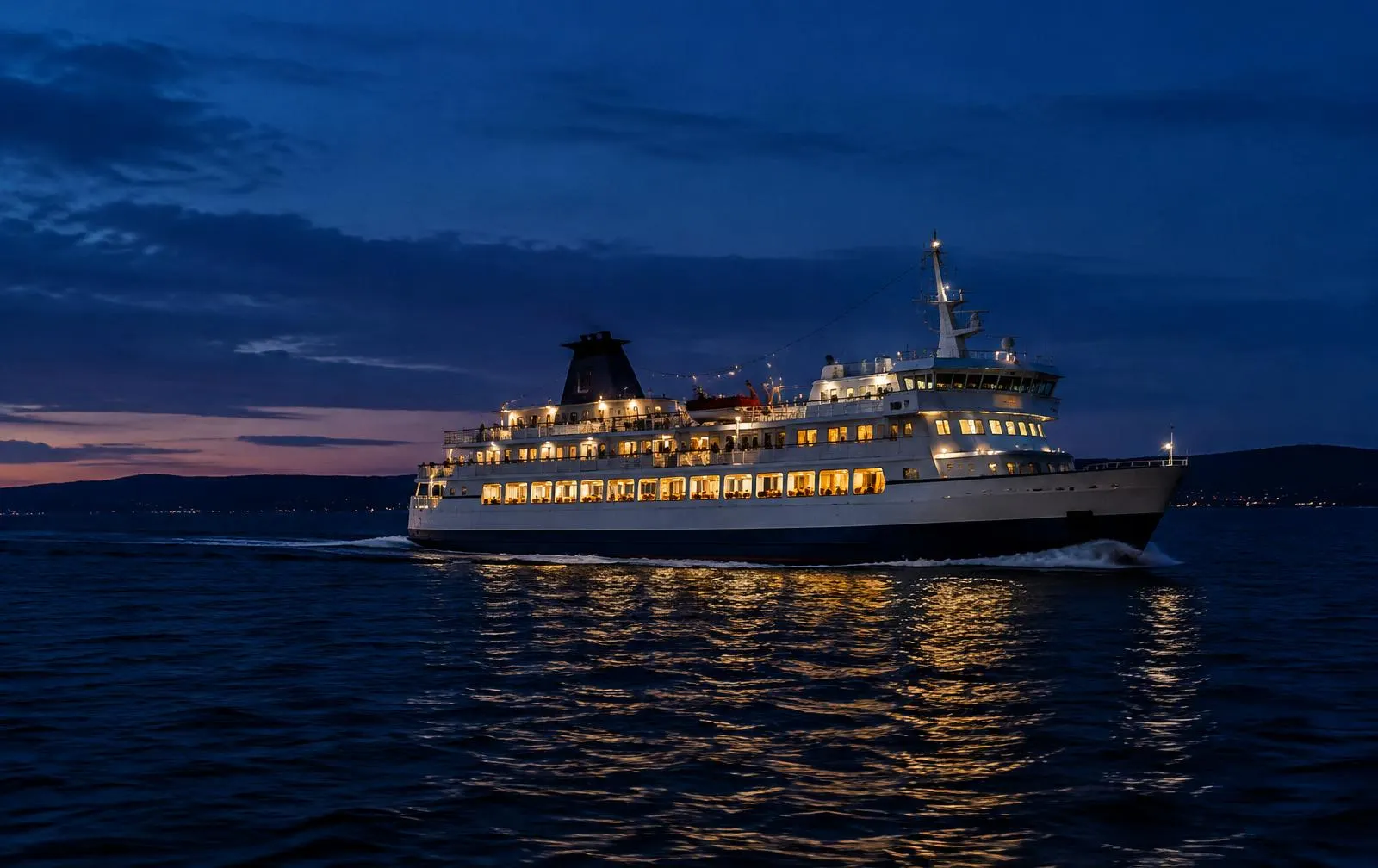
Whether someone is looking for an overnight ferry Sweden, an overnight ferry Finland or an overnight ferry Germany service, they are drawing on a tradition that predates the motor car.
Passenger cabins and onboard facilities
Early steamers divided passengers sharply by class: first-class saloons and cabins, and much simpler deck or steerage accommodation. Over the twentieth century, classes gave way to cabin grades. From the 1970s, large "cruise ferries" on routes such as Stockholm–Helsinki added restaurants, bars, shops, saunas and entertainment, while freight-oriented ro-pax ships on longer routes — such as Germany–Finland — offered more modest but comfortable cabins for drivers and travellers.
The rise of automobile ferries
Car ferries transformed who travelled. Families could take their own vehicle, luggage and even caravans, and drive onward from the destination port. An overnight ferry from Germany to Sweden or Finland became the start of a road holiday rather than the end of a rail journey.
Modern roll-on/roll-off ferries
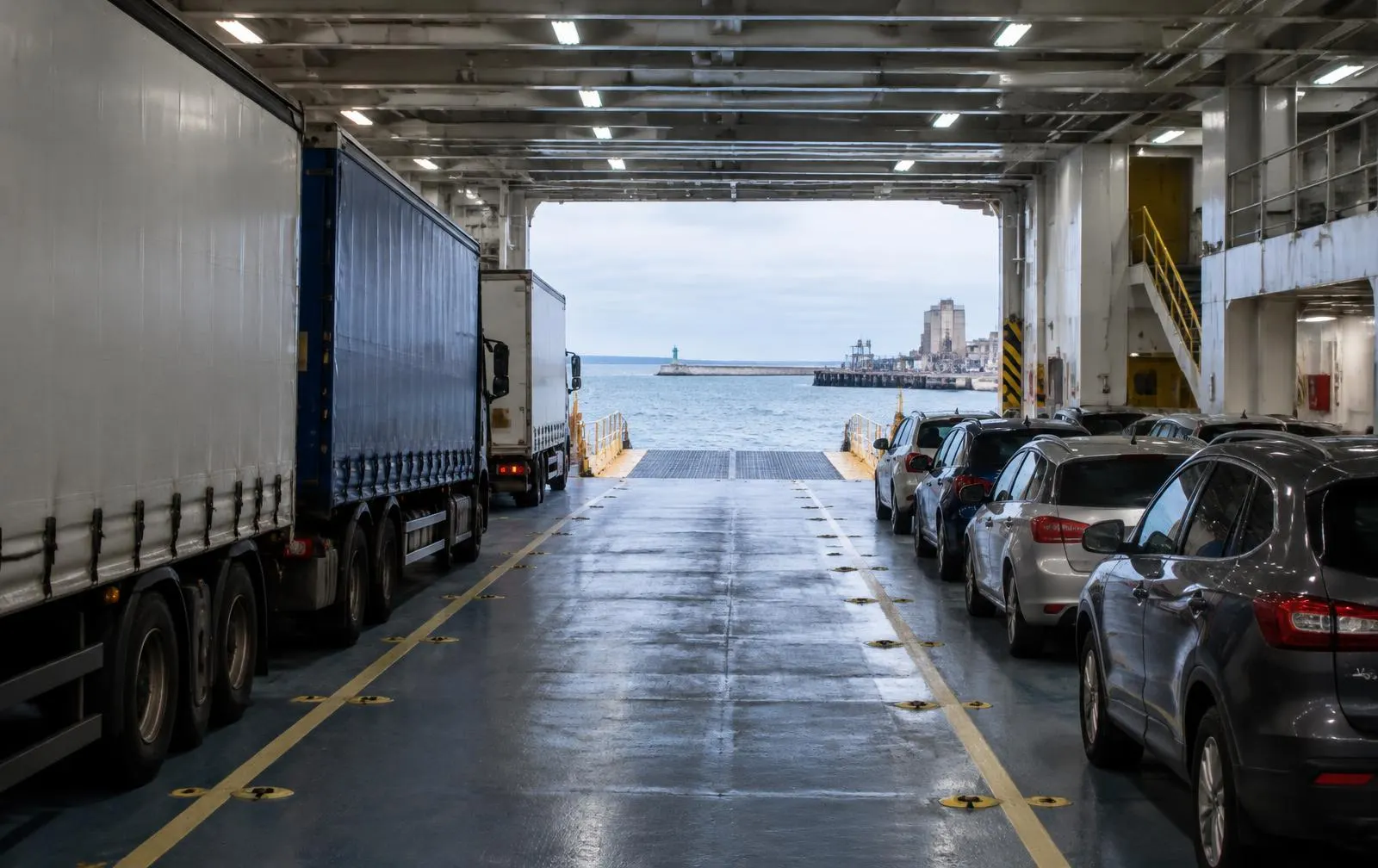
Modern ro-pax ships have multiple vehicle decks reached by bow, stern and internal ramps. Lorries, trailers and cars are loaded in lanes measured in "lane metres", and loading is choreographed so that the ship can turn around in port within hours.
The development of ferry timetables
Sail-era departures depended on wind; steam made timetables possible. Railway connections then demanded coordination, and ferry companies published printed timetables that matched train arrivals. Today timetables are planned around freight demand, port slots, crew rotations and seasonal passenger peaks.
The evolution of ferry tickets
- Traditional ticket offices: passengers bought tickets at the harbour or from shipping agents in town.
- Advance reservations: cabins and car spaces were reserved by letter, telegram and later telephone.
- Computerised booking systems: from the late twentieth century, central reservation systems linked offices, travel agents and ports.
- Online booking: from the 2000s, operators sold tickets directly on their own websites.
- Digital check-in: mobile tickets, QR codes and automatic number-plate recognition at terminal gates.
Finnlines booking and check-in information
If you are looking for finnlines online booking, finnlines ferry tickets or finnlines check in instructions, go directly to the official Finnlines website at finnlines.com. Check-in times, required documents and vehicle rules are set by the operator and may change; always rely on the confirmation and guidance provided by the company with which you book.
Modern Baltic ferry routes
The main long-distance corridors covered on this site are Germany–Finland (Travemünde–Helsinki), Germany–Sweden (Travemünde–Malmö) and Sweden–Finland via Åland, together with Sweden–Poland links.
Environmental technology
- Energy efficiency: hull optimisation, air lubrication and waste-heat recovery reduce fuel use per tonne carried.
- Hybrid propulsion: battery systems can supply power in port and assist engines at sea.
- Shore power: ships connect to the electricity grid at berth, cutting emissions in port cities.
- Emission reduction: the Baltic Sulphur Emission Control Area (0.10% sulphur from 2015) led to scrubbers and cleaner fuels; NOx controls apply to new ships from 2021.
- Alternative fuels: LNG, biogas, methanol and others are being trialled or introduced.
The future of Baltic ferry travel
It is reasonable to expect further investment in low-emission ships and digital services, driven by EU climate policy, including shipping's inclusion in the EU Emissions Trading System from 2024. Which fuels and technologies will prevail is not yet known, and any forecast should be read as informed speculation rather than fact.
Timeline of Baltic passenger travel
- 1830sScheduled steamSteamships make timetabled Baltic passenger travel possible.
- 1909Rail ferriesSassnitz–Trelleborg carries trains across the Baltic.
- 1960sCar ferries & cabinsBow and stern doors and cabin decks become standard.
- 1970s–80sCruise ferriesLarge overnight ships with restaurants and entertainment appear on Stockholm–Helsinki.
- 1990sComputer reservationsCentral reservation systems connect ports, agents and call centres.
- 2000sOnline bookingOperators move ticket sales to their own websites.
- 2010s–20sDigital check-in & cleaner shipsMobile tickets, number-plate recognition, scrubbers, LNG and shore power.